What's the Best Credit Score Range to Aim For?
Updated Jul 2026
Some links on this page are affiliate links. If you buy through them we may earn a small commission at no extra cost to you. We only recommend what we'd use.
- Aiming for a score above 740 unlocks the best interest rates
- Good scores starting around 670 secure standard loan approvals
- Payment history and credit utilization drive most of your score
- Regular credit audits keep your score accurate and protected
What's the Best Credit Score Range to Aim For?
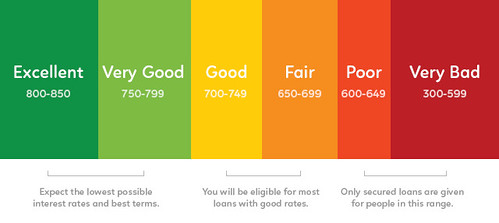
The best credit score range to aim for is 740 and above, which places you in the Very Good (740–799) and Excellent (800–850) categories where lenders offer their lowest interest rates and best terms. Reaching this threshold gives you access to top-tier financial products without needing a absolute perfect 850 score.
Understanding Credit Score Ranges
Credit score models like FICO and VantageScore standardly evaluate consumers on a scale from 300 to 850. Lower scores signal higher default risks to lenders, while higher numbers reflect consistent credit reliability. Understanding where your current score sits across these predefined bands lets you anticipate approval odds and interest rate tiers before applying.
While various scoring algorithms exist, most financial institutions rely on FICO scores to evaluate risk. The scoring spectrum is divided into distinct brackets, each carrying specific expectations for how a borrower manages financial obligations. Knowing where you stand removes the guesswork when you apply for a credit card, auto loan, or mortgage.
What Do the Different Credit Score Ranges Mean?
Major credit scoring agencies group consumer profiles into five operational tiers: Poor, Fair, Good, Very Good, and Excellent. Each tier signals to lenders how likely you are to repay debts on time, directly determining the interest rates, credit limits, and specialized loan features available to you when submitting financial applications.
Here is how those categories break down across standard financial evaluation models:
- Excellent (800–850): Borrowers in this tier represent minimal risk to financial institutions. You get access to preferred interest rates, low-fee loans, high credit limits, and premium rewards cards.
- Very Good (740–799): Lenders view this range as highly dependable. You will qualify for nearly all prime credit offers and competitive loan terms without friction.
- Good (670–739): Considered the national average range. You will routinely secure loan approvals, though interest rates might sit slightly above the absolute lowest rates available.
- Fair (580–669): Approval odds drop in this tier, and loans usually come with higher interest rates or stricter down payment requirements.
- Poor (300–579): Submitting applications in this tier frequently results in denials or high-cost subprime offers. Qualifying for financing often requires secured cards or co-signers.
Why is the "Best" Credit Score Range Important?
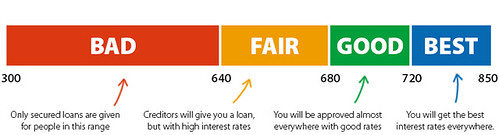
Reaching a top credit score tier saves substantial money by lowering the borrowing costs on major financial obligations. A strong score affects far more than credit card approvals; it dictates your mortgage interest rates, auto loan terms, landlord background checks, utility deposit waivers, and sometimes even premium insurance rate quotes.
Borrowing money is rarely free, but your credit score determines just how expensive it will be. Over a multi-year loan, a few percentage points off your interest rate can mean tens of thousands of dollars saved. Beyond direct borrowing costs, service providers across industries check credit histories to decide whether to charge security deposits on accounts.
How Does Your Credit Score Affect Loan Interest Rates?
Lenders price risk using interest rate tiers; lower credit scores require higher Annual Percentage Rates to offset potential loan default. Conversely, borrowers in the top score brackets receive lower APR offers, saving tens of thousands of dollars in interest over the lifetime of long-term debts like mortgages or auto loans.
When you apply for a loan, the lending institution consults risk-based pricing charts. A borrower with a 760 score buying a home might secure a prime interest rate, while someone with a 630 score looking at the same property could face a rate several percentage points higher. That variance translates directly into higher monthly payments and far higher cumulative interest over time.
What's a "Good Enough" Credit Score?
A credit score between 670 and 739 serves as a solid "good enough" baseline for most financial milestones. While scores above 740 unlock top-tier rates, a 670 score routinely secures approval for standard mortgages, auto financing, and rewards cards without requiring steep security deposits or predatory terms.
You do not need to obsess over hitting a flawless 850 score to navigate your financial life successfully. Lenders generally treat scores above 760 or 780 identically to an 850 score. Reaching the upper end of the "Good" range or lower end of "Very Good" gets you past most loan approval hurdles smoothly.
How to Determine Your Target Credit Score
Your personal target credit score depends on your upcoming financial moves rather than arbitrary perfection. Buyers targeting premium mortgage interest rates should aim for 740 or higher, whereas individuals seeking standard credit card approvals or personal loans can successfully accomplish their goals with a stable score around 670.
Evaluate what you plan to accomplish over the next twelve to twenty-four months. If a mortgage is on your horizon, push to get your score above 740 to secure favorable lending brackets. If you simply want a reliable cash-back card or a safety net for emergency expenses, maintaining a score above 670 will serve you well.
Strategies for Improving Your Credit Score
Improving your credit score requires consistent, deliberate actions that target the specific algorithms used by credit scoring models. Prioritizing strict on-time debt payments, keeping credit card balances low relative to total credit limits, and maintaining existing accounts over time compound into steady, sustained credit score improvements across all major reporting bureaus.
Credit scores update periodically as lenders report new balances and payment data to Equifax, Experian, and TransUnion. Because these algorithms reward long-term stability, establishing consistent financial habits moves your scores upward faster than quick fixes or isolated efforts.
Key Factors Influencing Your Credit Score
FICO and VantageScore models calculate your overall score using five core financial categories: payment history, credit utilization ratio, credit history length, account mix, and recent credit inquiries. Payment history carries the heaviest weight, followed closely by total credit utilization across active revolving accounts.
Understanding how these factors break down helps you prioritize your efforts effectively:
- Payment History (35%): Your track record of making payments on time across all credit accounts.
- Amounts Owed / Credit Utilization (30%): The ratio of your current credit card balances relative to your total revolving credit limits.
- Length of Credit History (15%): The average age of your credit accounts and the age of your oldest account.
- Credit Mix (10%): The variety of credit types you manage, such as credit cards, mortgages, and installment loans.
- New Credit (10%): Recent credit inquiries and newly opened accounts on your file.
Practical Steps to Boost Your Score
Raising your credit score quickly centers on actionable habits: setting up automatic bill payments, requesting higher credit limits without incurring hard pulls, keeping credit utilization below 30%, and reviewing full annual reports for reporting errors. Authorizing secondary accounts on long-standing user profiles can also accelerate score growth.
Focus first on paying down revolving balances on credit cards, as lowering your credit utilization ratio often yields rapid score gains within one or two billing cycles. Next, audit your credit reports from all three major bureaus at AnnualCreditReport.com. Identifying and disputing erroneous late payments or unrecognized collections can lift a suppressed score quickly.
Comparing Credit Score Building Tools
Credit monitoring platforms help consumers track score changes, audit credit report accuracy, and receive alert notifications for suspicious account activity. Free services offer routine score updates using educational models, while premium subscription platforms deliver official FICO scores across all three major credit reporting agencies.
| Tool | Best For | Pricing Tier | Standout Feature |
|---|---|---|---|
| Credit Karma | Free weekly credit monitoring | Free | TransUnion and Equifax updates with approval odds. |
| Credit Sesame | Credit analysis and alert notifications | Free basic option, paid tiers available | Breakdown of factors impacting score changes. |
| Experian Boost | Adding utility and rent payments | Free | Reports positive non-credit monthly payments. |
| myFICO | Official FICO score tracking | Paid monthly plans | Direct access to scores used by mortgage lenders. |
🛍 Ready to buy? Check current prices on Amazon for the picks in this guide.
Recommended Tool Strategy:
- Credit Karma: Great choice for day-to-day monitoring of TransUnion and Equifax files without paying extra fees.
- Experian Boost: Helpful for individuals with thin credit files looking to count utility and telecom payments toward their score.
- myFICO: The top choice for serious home buyers who need exact FICO score versions before submitting formal mortgage applications.
Strategic Next Steps for Building Better Credit
Reaching the upper credit score tiers demands a long-term perspective rather than sudden drastic moves. By systematically focusing on punctual payments, reducing total balance ratios, and auditing credit bureau reports for errors, you position your finances to qualify for the best lending rates available across the financial industry.
- Target a score of 740 or higher to unlock prime borrowing terms and lower interest costs.
- Automate monthly debt obligations to protect your 35% payment history metric.
- Keep total revolving credit utilization strictly below 30%—and ideally below 10%—across all accounts.
- Audit your credit reports annually to eliminate inaccurate negative marks promptly.
FAQ
What is the difference between a credit report and a credit score?
A credit report is a detailed record of your borrowing history, payment records, and active accounts maintained by credit bureaus. A credit score is a three-digit summary calculated from that report data to quantify your creditworthiness at a glance.
How often should I
🛍 See today's best prices on Amazon and grab the option that fits you.