What Credit Score Do You Really Need to Get Approved?
Updated Jul 2026
Some links on this page are affiliate links. If you buy through them we may earn a small commission at no extra cost to you. We only recommend what we'd use.
- Minimum score requirements vary significantly based on whether you're buying a home, financing a vehicle, or applying for a credit card
- A score of 740 or higher generally unlocks top-tier interest rates
- Non-score factors like income and debt-to-income ratio heavily influence approvals
- Reducing credit card balances is one of the fastest ways to raise your score
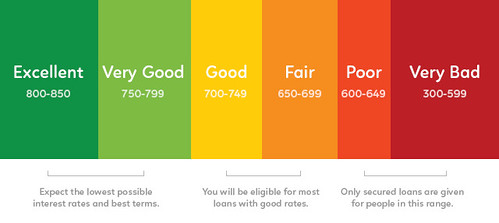
Understanding Credit Score Ranges
Credit scores generally range from 300 to 850, breaking down into five distinct tiers: Poor (below 580), Fair (580–669), Good (670–739), Very Good/Excellent (740–799), and Exceptional (800+). Most mainstream lenders start approving traditional loans around the 620 mark, but aiming for 740 is what truly saves you money on interest.
Think of your credit score as a quick financial snapshot. Lenders use it to judge how likely you are to pay back money you borrow. Two major companies calculate these numbers: FICO and VantageScore. While both use the same general 300-to-850 scale, banks and mortgage lenders rely heavily on FICO models when reviewing formal loan applications. Knowing where you land on this scale gives you a realistic idea of what you can borrow and how much it will cost you over time.
What's Considered "Good" vs. "Excellent"?
A "good" credit score falls between 670 and 739, proving to lenders that you manage debt responsibly and qualify for most standard loans. An "excellent" score sits at 740 and above, signaling minimal risk and instantly granting you top-tier interest rates, higher credit limits, and premium credit card perks.
Crossing the line from "good" to "excellent" makes a huge difference in long-term borrowing costs. While a 670 score gets your foot in the door for a home or auto loan, you'll still pay noticeably higher interest rates than someone sitting at 750. Borrowers with fair or lower-good scores often have to make trade-offs, like bringing a bigger cash down payment to the table or getting a co-signer to secure an approval.
Credit Score Tiers and Their Impact

Your credit tier directly dictates your borrowing power, interest rates, and loan approval odds. Higher tiers signal low default risk to banks, resulting in cheaper monthly payments. Lower tiers often lead to outright rejections, strict security deposit requirements, or elevated interest rates designed to offset the lender's financial risk.
Here is how the main credit tiers break down in practice:
- Poor (300–579): Expect frequent loan denials and strict approval terms. If you do land a loan, interest rates will be high, and you may need to provide collateral or a cash deposit.
- Fair (580–669): You can secure subprime loans, FHA mortgages, or basic credit cards, but interest rates sit well above average.
- Good (670–739): You'll easily qualify for most traditional loans, standard credit cards, and vehicle financing with fair, competitive interest rates.
- Excellent (740–799): Banks view you as a low-risk borrower, handing out their prime interest rates, higher spending limits, and top cash-back or travel credit cards.
- Exceptional (800+): You get red-carpet treatment from lenders, including seamless approvals, maximum flexibility, and the lowest rates available on the market.
Specific Credit Score Needs: Loans & Credit Cards
Approval thresholds depend entirely on the financial product you want. Conventional home mortgages typically require a 620 minimum, auto lenders often work with scores in the upper 500s or low 600s, and cash-back or travel rewards credit cards usually demand scores hovering around 700 or higher for instant approval.
Because every industry calculates risk differently, the exact score you need changes based on what you are applying for:
- Mortgages: Conventional loans usually set their hard line at 620. Government-backed FHA loans are much more lenient, sometimes allowing scores down to 580 with a small down payment. That said, keeping your score above 740 drops your mortgage rate significantly, saving you tens of thousands over a 30-year term.
- Auto Loans: Car lenders are generally more forgiving because the vehicle itself serves as collateral. While you can secure an auto loan with a score in the upper 500s or lower 600s, drivers in the 720+ range get access to zero-percent or low-interest dealer financing offers.
- Credit Cards: Entry-level and secured cards cater to scores under 600. However, if you want lucrative travel points, high cash-back rewards, or zero-percent APR intro offers, you will generally need a score of 700 or higher.
- Personal Loans: Unsecured personal loans carry wider score requirements. You can find specialized lenders willing to approve applicants with scores around 580, but interest rates scale up quickly for lower-tier scores.
Factors Beyond Your Score That Matter
Lenders do not base borrowing decisions solely on your three-digit credit score; they evaluate your entire financial profile. Key secondary factors include your debt-to-income (DTI) ratio, steady employment history, liquid cash reserves, and annual income, all of which heavily weigh into whether your loan application gets approved or denied.
A stellar score won't automatically save an application if your debt load is already too high for your salary. Underwriters run a detailed check on your credit report looking for recent late payments, accounts in collections, or past bankruptcies. Conversely, showing stable employment, a low DTI ratio, and plenty of cash in the bank can help nudge an underwriter toward approving your application even if your credit score sits on the lower side.
Credit Score Improvement Strategies
Boosting your credit score effectively requires a dual approach: maintaining flawless payment habits and optimizing your credit utilization ratio. Consistently paying every bill on time while keeping credit card balances low relative to your limits provides the fastest, most reliable pathway toward lifting your credit score into higher tiers.
If you want to strengthen your credit profile before submitting an application, focus on these practical moves:
- Pay every bill on time: Payment history accounts for the largest chunk of your FICO score. Setting up automatic payments ensures you never accidentally miss a due date.
- Pay down revolving balances: Keep your credit card balances under 30% of your total limit—ideally under 10% if you want the absolute best score bump.
- Dispute credit report mistakes: Grab copies of your credit reports and double-check them for incorrect balances, old collections, or accounts that aren't yours, then dispute them directly with the credit bureaus.
- Become an authorized user: Ask a trustworthy family member with long credit history and low balances to add you as an authorized user on their credit card account.
- Open a secured credit card: If you are rebuilding credit from scratch, a secured card backed by a refundable deposit is one of the safest ways to establish a positive payment history.
Comparing Credit Score Monitoring Tools
Choosing the right credit monitoring tool depends on whether you need simple free tracking or official credit reports for serious borrowing. Free services like Credit Karma work well for everyday monitoring, whereas paid services like MyFICO deliver the exact FICO score models that lenders evaluate during major loan applications.
| Tool | Best for | Pricing Tier | Standout Feature |
|---|---|---|---|
| Credit Karma | Everyday free tracking | Free | Provides weekly VantageScore updates from TransUnion and Equifax. |
| Credit Sesame | Credit building guidance | Free / Premium | Includes score tracking alongside personalized action plans. |
| Experian | Direct FICO score tracking | Free / Subscription | Gives free access to your official Experian FICO Score 8 and credit freeze features. |
| MyFICO | Serious loan preparation | Subscription | Unlocks industry-specific FICO scores used for mortgages and auto loans. |
| WalletHub | Daily score monitoring | Free | Offers daily TransUnion score updates alongside debt management tools. |
Ranked Recommendations:
- MyFICO: The best choice when you are actively preparing to buy a home or finance a vehicle, giving you direct access to the exact scoring versions mortgage lenders use.
- Experian: The top free option for checking a genuine FICO score rather than a VantageScore estimate.
- Credit Karma: The most practical daily driver for keeping tabs on credit report changes and catching potential fraud early without spending money.
- Credit Sesame: Useful for borrowers looking for structured step-by-step guidance on raising low scores.
- WalletHub: A solid option if you want frequent daily score refreshes and general budget tracking features.
FAQ
What is the difference between a credit score and a credit report?
Your credit report is a detailed record of your past and present debts, payment history, public records, and recent credit inquiries. Your credit score is a three-digit summary number calculated using the specific data found inside that report.
How often should I check my credit report?
You should review your credit report at least once every few months and before applying for major loans. You can pull your credit reports for free directly through AnnualCreditReport.com to check for errors or fraudulent activity.
Can I improve my credit score quickly?
Paying down high credit card balances to lower your utilization can boost your score in as little as 30 days. However, building long-term credit health or recovering from serious marks like late payments takes months of consistent, on-time payments.
What happens if I have a low credit score?
A lower credit score makes borrowing harder and more expensive. You will likely face higher interest rates, stricter loan terms, or outright application denials. Low scores can also require you to pay security deposits on utilities or rental apartments.
Does my credit score affect my ability to rent an apartment?
Yes, property managers and private landlords frequently review applicant credit reports to verify financial responsibility. A poor score won't always prevent you from renting, but it may require you to provide a larger security deposit or find a co-signer.