Top 10 Fixed Rate Bonds: A Tech Investor's Strategy Guide
Updated Jul 2026
Some links on this page are affiliate links. If you buy through them we may earn a small commission at no extra cost to you. We only recommend what we'd use.
- Fixed rate bonds provide guaranteed yield to balance tech equity volatility
- Credit ratings directly reflect default risk and yield expectations
- Rising interest rates lower bond prices on secondary markets
- TIPS and short maturities help guard against inflation erosion

Top 10 Fixed Rate Bonds: A Tech Investor's Strategy Guide
Fixed rate bonds pay a set interest rate over a set term, providing tech investors with a predictable income stream that counterbalances the inherent volatility of software and growth stocks. Locking in guaranteed coupon payouts helps establish a defensive baseline around your liquid capital while equity markets swing.Understanding Fixed Rate Bonds for Tech Investors
Fixed rate bonds are debt instruments that lock in a constant interest payment—or coupon—from purchase until maturity. For tech investors accustomed to heavy equity volatility and shifting growth cycles, these fixed income assets establish a reliable yield baseline, preserving core principal while providing steady liquidity when tech stock valuations contract. Growth-focused software equities and tech stocks often experience heavy drawdown cycles. Holding a portion of your portfolio in fixed income creates an anchor. Unlike floating-rate notes that adjust along with benchmark interest rates, fixed-rate bonds guarantee your exact cash return regardless of short-term economic noise.Why Tech Investors Should Consider Fixed Rate Bonds
Tech portfolios generally lean heavily toward high-beta growth stocks that experience sharp drawdowns during economic contractions. Adding fixed rate bonds offsets this sector volatility, creating predictable income streams that can fund personal cash needs, rebalance equities during market pullbacks, or hold dry powder for future investment opportunities. Concentrated equity positions, tech stock options, and RSUs leave wealth tied directly to tech sector momentum. Allocating capital to bonds builds a steady buffer. When tech valuations pull back, steady income distributions allow you to accumulate discounted equities without liquidating existing growth assets at temporary bottoms.Key Factors When Evaluating Fixed Rate Bonds
The Importance of Credit Ratings
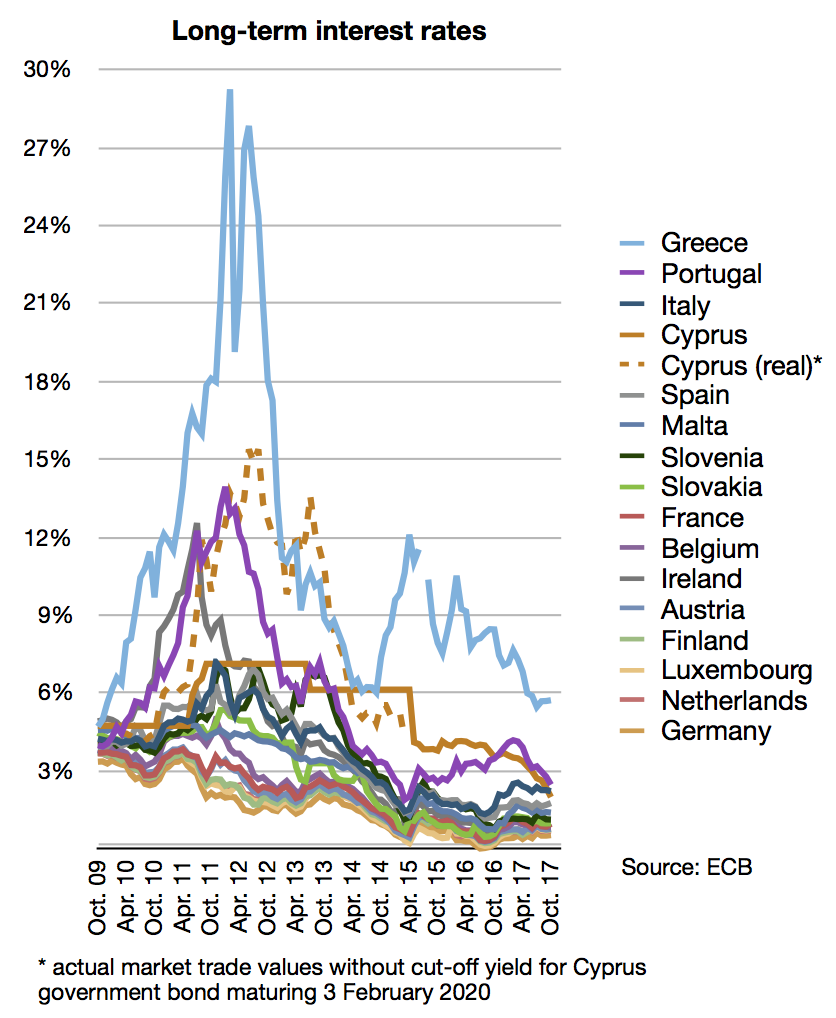
Credit rating agencies evaluate an issuer's underlying solvency and assign letter grades from AAA down to speculative ratings. High investment-grade ratings signal low default probability and lower yield profiles, whereas sub-investment-grade bonds—often called junk bonds—pay higher interest rates to compensate bondholders for elevated credit risk. Independent credit ratings from Moody’s, Standard & Poor’s, and Fitch give investors an immediate benchmark for default risk:- AAA to BBB- (Investment Grade): Issued by financially sound corporations and governments; minimal default risk and modest yields.
- BB+ and below (High Yield / Speculative Grade): Issued by companies carrying higher debt balances; higher yields with elevated risk of default during market stress.
Top 10 Fixed Rate Bonds for Portfolio Balance
The top fixed rate bond options span government debt, tax-advantaged municipal bonds, corporate issuances, and broad bond ETFs. Choosing among them depends on whether your priority is zero-default security, tax mitigation, maximum income yield, or immediate secondary market liquidity to complement a tech-heavy equity portfolio.| Bond Type | Best Target Strategy | Risk / Yield Profile | Key Advantage |
|---|---|---|---|
| U.S. Treasury Bonds | Maximum principal protection | Lowest risk / Moderate yield | Backed by the full faith of the U.S. government |
| Municipal Bonds | High-earning investors in high tax states | Low risk / Tax-adjusted yield | Exempt from federal (and often state) income taxes |
| Investment-Grade Corporate Bonds | Balanced growth and income | Moderate risk / Solid income yield | Issued by stable, cash-flow-positive corporations |
| High-Yield Corporate Bonds | Aggressive yield generation | High risk / Elevated yields | Generates maximum cash flow with equity-like risk |
| Agency Bonds | Conservative yield enhancement | Low risk / Slightly above Treasuries | Supported by government-sponsored enterprises |
| Total Market Bond ETFs | Instant broad market diversification | Varied risk / Blended yield | High liquidity with zero individual stock-picking risk |
| Treasury Inflation-Protected Securities (TIPS) | Defending against purchasing power loss | Low risk / Inflation-linked return | Principal value increases alongside CPI inflation |
| Zero-Coupon Bonds | Fixed long-term lump sum goals | Moderate price sensitivity / Deep discount | No interim payments; deep discount pricing upfront |
| Callable Bonds | Yield chasing in stable rate markets | Moderate risk / Higher upfront coupon | Offers higher yield, though issuer can redeem early |
| Step-Up Bonds | Protection against long-term rate changes | Moderate risk / Gradually rising coupon | Interest rates step up at predetermined calendar dates |
🛍 Ready to buy? Check current prices on Amazon for the picks in this guide.
- U.S. Treasury Bonds: The benchmark asset for safety, backed directly by federal authority to preserve core capital during severe market downturns.
- Municipal Bonds: Local government debt that provides tax-free interest, making them especially valuable for high-income software engineers and tech founders.
- Investment-Grade Corporate Bonds: Debt issued by established corporate brands; provides higher coupon payments than government bonds with limited default risk.
- High-Yield Corporate Bonds: Sub-investment grade bonds paying premium interest rates, suitable for high-risk allocations looking for elevated income.
- Agency Bonds: Debt issued by institutions like Fannie Mae or Freddie Mac that offers slightly higher yield than Treasuries with minimal credit risk.
- Bond ETFs (e.g., AGG, BND): Liquid funds holding thousands of individual bonds, giving you immediate fixed-income diversification across sectors.
- TIPS: Treasury bonds specifically indexed to inflation metrics to keep your cash purchasing power intact over long investment horizons.
- Zero-Coupon Bonds: Deeply discounted bonds paying no periodic cash distributions; instead, full face value is paid out entirely at maturity.
- Callable Bonds: Corporate options that pay higher yields upfront but carry call risk if the issuer pays off the principal early when interest rates drop.
- Step-Up Bonds: Fixed income notes featuring coupon rates that rise over time according to a set schedule, helping mitigate long-term holding risks.
Risks Associated with Fixed Rate Bonds
Fixed rate bonds face three coreFAQ
What are top 10 fixed rate bonds?
Top 10 fixed rate bonds refer to the bonds currently offering the highest interest rates (Annual Percentage Yield or APY) for a fixed period. These rates change frequently based on market conditions and issuer offerings.
How long are the terms of fixed rate bonds?
Fixed rate bond terms vary. You'll typically find options ranging from a few months to several years. Longer terms usually offer higher rates, but lock your money in for a longer duration.
Are fixed rate bonds safe?
Fixed rate bonds issued by reputable institutions are generally considered safe. However, always check the issuer's credit rating and understand the terms and conditions before investing.
🛍 See today's best prices on Amazon and grab the option that fits you.