Data Science vs. AI: Do You Really Need It?
Updated Sep 2026
Some links on this page are affiliate links. If you buy through them we may earn a small commission at no extra cost to you. We only recommend what we'd use. As an Amazon Associate we earn from qualifying purchases.

Understanding the Core Relationship
Data science and artificial intelligence are often conflated, but they aren’t interchangeable; data science provides a foundational skillset for many AI applications. Data science is a broader, multidisciplinary field focused on extracting knowledge and insights from data. Artificial intelligence is a narrower field focused on creating machines that can perform tasks that typically require human intelligence.
What Does Data Science Entail?
Data science involves extracting knowledge from data through statistics, machine learning, and data visualization. It’s a combination of programming, statistical analysis, and domain expertise, often involving data cleaning, transformation, and modeling. Data scientists build and deploy machine learning models, but their responsibilities extend beyond model creation.
Data scientists typically work with the full data lifecycle, from collection to analysis and presentation. They use tools like Python, R, and SQL to manipulate data and build models. While machine learning is a key component, data scientists also apply statistical methods and visualization techniques to uncover patterns and communicate findings. They need a strong understanding of experimental design and hypothesis testing.What is Artificial Intelligence?
Artificial intelligence is a broader concept encompassing various techniques that enable machines to mimic human intelligence. This includes machine learning, deep learning, natural language processing, and computer vision. AI aims to create systems that can learn, reason, and solve problems without explicit programming for every scenario.
AI development frequently leverages machine learning models, but not all AI projects rely heavily on traditional data science workflows. Some AI applications, like rule-based systems or symbolic AI, require less data manipulation and statistical analysis. The focus often lies in designing intelligent agents or automating specific tasks.The Data Science Skills Landscape
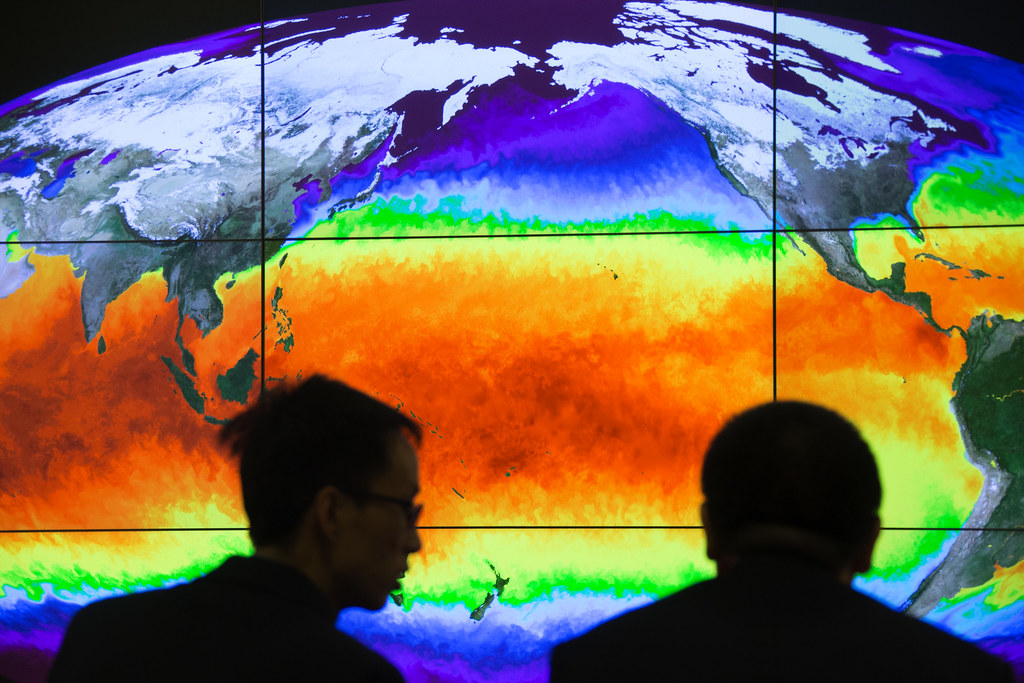
While AI is evolving, data science skills remain critical, especially for developing and deploying robust AI solutions. A data science background provides a strong foundation in the principles underlying many AI techniques. Reviewers consistently highlight the importance of data literacy for anyone working with AI.
Essential Data Science Skills for AI
Several data science skills are particularly valuable for those pursuing careers in AI. These include statistical modeling, machine learning algorithms (regression, classification, clustering), data visualization, and programming languages like Python and R. Familiarity with data manipulation libraries like Pandas and data visualization tools like Matplotlib is also crucial.
Beyond the technical skills, a data scientist’s ability to understand business problems, formulate hypotheses, and communicate results effectively is highly valued. Critical thinking and problem-solving skills are essential for identifying opportunities and developing innovative AI solutions. The ability to explain complex concepts to non-technical audiences is also important.The Rise of "No-Code" AI & its Impact
The emergence of “no-code” AI platforms is changing the landscape, lowering the barrier to entry for building AI applications. These platforms often abstract away the complexities of data science and machine learning, allowing users with limited technical expertise to create AI-powered solutions. However, a foundational understanding of data principles remains valuable.
While no-code tools simplify the process, they don't eliminate the need for understanding data quality, model evaluation, and potential biases. Users still need to be able to interpret results and ensure the AI system is functioning correctly. These platforms often provide limited customization options, which can restrict the flexibility of the AI solution.Can You Do AI Without Data Science?
The short answer is: yes, you *can* work with AI without a full data science degree or extensive experience. However, your role and the complexity of the projects you can handle will be significantly impacted. Many AI tools now offer simplified interfaces and automated processes, reducing the need for deep statistical expertise.
Roles Where Data Science Isn't Mandatory
Several AI-related roles don't require a traditional data science background. These include prompt engineers, AI product managers, and AI ethics specialists. Prompt engineers focus on crafting effective prompts for large language models, while AI product managers oversee the development and launch of AI-powered products.
AI ethics specialists ensure AI systems are developed and deployed responsibly, minimizing bias and maximizing fairness. These roles require a strong understanding of AI principles and potential societal impacts, but not necessarily the technical expertise of a data scientist. Many citizen data scientists are emerging in these roles.The Limits of AI Without Data Science Understanding
Even with user-friendly AI tools, a lack of data science understanding can limit your ability to troubleshoot issues, evaluate model performance, or customize solutions. Without a grasp of the underlying principles, it’s difficult to identify biases, interpret results accurately, or adapt the AI system to changing requirements.
Users often report feeling frustrated when encountering unexpected behavior from AI models without the ability to diagnose the root cause. Understanding concepts like overfitting, underfitting, and feature engineering is crucial for building reliable and effective AI solutions. It’s difficult to truly *control* the AI without this foundational knowledge.Comparing AI Career Paths
The job market for AI professionals is expanding rapidly, but the specific skills required vary depending on the role. Some roles demand a strong data science background, while others prioritize domain expertise and communication skills. It’s important to carefully assess your interests and abilities before pursuing an AI career.
Data Scientist vs. Machine Learning Engineer vs. AI Specialist
Data scientists typically focus on data exploration, model building, and insights generation. Machine learning engineers are responsible for deploying and scaling machine learning models into production environments. AI specialists often have a broader focus, encompassing various AI techniques and applications.
Machine learning engineers need strong programming skills and experience with cloud computing platforms. Data scientists require expertise in statistical modeling and data visualization. AI specialists often need a combination of technical and business acumen. The lines between these roles are blurring, with many professionals possessing overlapping skillsets.| Tool | Best For | Pricing Tier | Standout |
|---|---|---|---|
| Google AI Platform | Large-scale ML deployment | Pay-as-you-go | Scalability, integration with Google Cloud |
| Amazon SageMaker | End-to-end ML workflow | Pay-as-you-go | Comprehensive features, broad AWS integration |
| Microsoft Azure Machine Learning | Enterprise AI solutions | Free to Pay-as-you-go | Azure integration, AutoML capabilities |
| DataRobot | Automated ML (AutoML) | Contact for pricing | Ease of use, rapid model building |
- Google AI Platform: Best for those already invested in the Google Cloud ecosystem.
- Amazon SageMaker: A powerful choice for complex, production-ready machine learning projects.
- Microsoft Azure Machine Learning: Ideal for organizations already using Microsoft Azure services.
- DataRobot: A great starting point for automating model development, even with limited data science experience.
The Future of AI and Data Science
As AI continues to evolve, the demand for data science skills will likely remain strong, although the specific skills required may shift. The rise of generative AI and other advanced techniques will create new opportunities for data scientists and AI professionals.
Emerging Trends
The trend toward automated machine learning (AutoML) and no-code AI platforms will continue to democratize AI development. However, a fundamental understanding of data principles will remain essential for ensuring the quality and reliability of AI solutions. The focus will shift towards responsible AI and ethical considerations.
Domain expertise will become increasingly important as AI is applied to more specialized fields. The ability to combine AI skills with deep knowledge of a particular industry or application will be a valuable asset. Continuous learning and adaptation will be crucial for staying ahead of the curve in this rapidly evolving field.Conclusion: Navigating the AI Landscape
While you can technically work with AI without a data science background, understanding data principles significantly enhances your ability to build and deploy effective solutions. The rising popularity of no-code platforms makes AI more accessible, but it doesn’t eliminate the need for foundational data literacy.
- Data science provides the core skills for many AI applications.
- No-code AI tools are lowering the barrier to entry, but data understanding remains valuable.
- Focus on domain expertise alongside AI skills for a competitive edge.
- Continuous learning is essential for navigating the rapidly evolving AI landscape.
FAQ
Is data science becoming less important with the rise of AI?
No, data science remains crucial; it’s the foundation upon which many AI systems are built, even if newer tools abstract some complexity. Understanding data and model behavior remains vital for responsible AI.
What’s the difference between machine learning and data science?
Machine learning is a subset of data science, focusing on algorithms that learn from data. Data science is broader, encompassing data collection, cleaning, analysis, and visualization to extract insights.
Can I become an AI specialist without any programming experience?
While some roles are less code-intensive, a basic understanding of programming, especially Python, is generally beneficial for AI work. Many no-code platforms exist, but coding skills will still prove valuable.
What are the most in-demand AI skills right now?
Prompt engineering, generative AI model understanding, and responsible AI practices are increasingly in demand. Strong communication and problem-solving skills are also highly valued.
How can I start learning about AI and data science?
Online courses (Coursera, edX), tutorials, and books are excellent resources. Start with introductory courses on Python, statistics, and machine learning to build a solid foundation.