Conquer Closet Chaos: Practical Systems for an Organized Wardrobe
Updated Jul 2026
Some links on this page are affiliate links. If you buy through them we may earn a small commission at no extra cost to you. We only recommend what we'd use.
- Strip your closet down completely before organizing
- maximize vertical height with secondary rods and hooks
- use uniform slim hangers and vertical folding
- leverage wardrobe apps to reduce daily decision fatigue

Conquering closet chaos comes down to three basic steps: stripping your inventory down to what you actually wear, building a smart visual layout, and setting up an easy daily maintenance routine.
The Initial Purge: More Than Just a Quick Tidy
A successful closet purge requires emptying the space completely so you can audit every item without cognitive bias. Sorting garments into clear categories—keep, donate, repair, or discard—forces realistic decisions about fit and personal style, eliminating the lingering clutter that slows down your morning routine.
Pulling everything out onto your bed or floor feels uncomfortable, but it forces you to face the full volume of what you own. When items stay hanging on the rod, it is easy to skip past garments you haven't touched in years. Take every single piece off its hanger and evaluate it on three criteria: Does it fit comfortably right now? Have you worn it in the last twelve months? Is it in good repair?
Be honest about "someday" clothes. Keeping three sizes of jeans just in case creates quiet daily frustration. Keep a dedicated donation bag tucked in the corner of your room while you sort; making donation an easy default action keeps clutter from making its way back into your drawers.
Zoning Your Closet: Functionality First
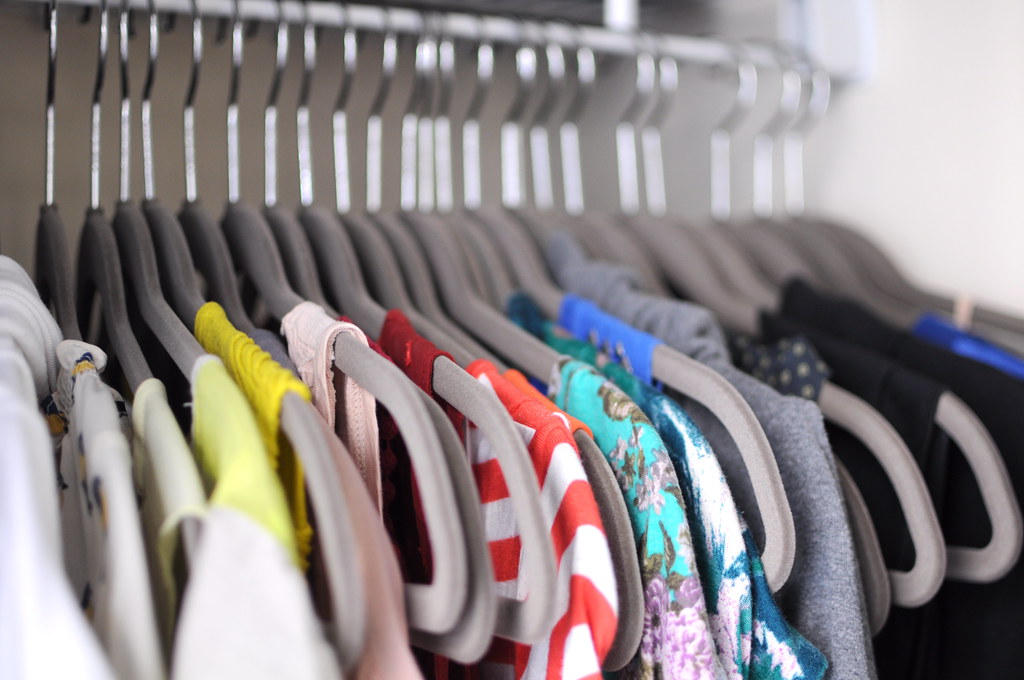
Zoning structures your closet around your daily habits, placing high-frequency items within direct reach while shifting off-season or rare garments to upper shelves. Grouping items by function—such as workwear, casual tops, and activewear—reduces visual noise and cuts down outfit selection time.
Think of your closet like high-value real estate. Prime real estate sits between your knees and your eyes. That middle belt is where your most frequently worn clothes belong, so you can grab them without crouching or reaching for a stool. Work clothes should sit together in one dedicated section, while weekend casuals get their own distinct area.
Organize each zone by garment type first, then by color from light to dark. This layout instantly signals where an item belongs when you put it away, while making missing items obvious. Accessories like belts, hats, and bags need defined home spots in these zones—using wall hooks or small fabric bins keeps them off the floor and out of loose piles.
Maximizing Vertical Space
Maximizing vertical space means utilizing unused areas above main hanging rods and below short-hanging items like shirts. Adding double rods, stackable bins, and over-the-door tracks transforms dead airspace into functional storage, significantly increasing overall capacity without expanding the footprint of your closet.
Most builder-grade closets feature a single hanging rod with a vast stretch of open space underneath short garments like button-downs and t-shirts. Installing a lower rod beneath short-hanging items immediately creates a second tier for pants or skirts. Shelf dividers on top shelves prevent stacks of sweaters from toppling into angled messy piles. You can also hang over-the-door pocket organizers on the inside of closet doors to house shoes, lint rollers, or small accessories that otherwise take up drawer space.
Folding and Hanging Techniques for Efficiency
Standardizing your storage techniques instantly creates visual order and frees up usable volume. Using vertical file folding lets you view every folded garment at a glance without disturbing piles, while switching to uniform slimline hangers reduces bulk along the clothing rod.
Traditional flat stacking creates a frustrating tower where pulling out the bottom shirt pulls the rest with it. Vertical folding (often called the KonMari file-fold method) turns shirts, sweater knits, and pants into self-standing rectangles arranged front-to-back in your drawers. You see every option the second you open the drawer, and pulling one item out leaves the rest intact.
For hanging garments, ditching the thick plastic and mismatched wire hangers in favor of thin, non-slip velvet or streamlined narrow hangers instantly reclaims horizontal rod space. Clothes stay put without slipping off onto the closet floor, and uniform hanger heights instantly tidy up the visual appearance of the room.
Leveraging Apps for Closet Management
Digital wardrobe apps turn physical clutter into a searchable visual database on your phone. Uploading photos of your clothing items allows you to track wear frequency, build outfit combinations digitally, and discover overlooked garments, helping you curb unnecessary shopping and prevent impulse buys.
If you constantly feel like you have a full closet but nothing to wear, digitization can help bridge the gap. These apps let you snap photos of your wardrobe during a purge or as you wear items, cataloging your closet by category, season, or color. Many platforms track cost-per-wear metrics and suggest new outfit pairings from your existing collection.
| Tool | Best For | Pricing Model | Standout Feature |
|---|---|---|---|
| Stylebook | Detailed wardrobe tracking and outfit planning | Paid app (one-time purchase) | In-depth statistics like cost-per-wear and lookbooks |
| Cladwell | Minimalist setups and capsule wardrobes | Subscription tier | Daily outfit prompts based on local weather forecasts |
| Smart Closet | Quick inventory logging on a budget | Free tier with optional paid upgrade | Simple interface with flexible photo background removal |
If you prefer an analytical approach, Stylebook offers deep insight into which clothes give you the best value over time. Cladwell shines if you want daily prompts that encourage you to wear every item in your closet, while Smart Closet works well if you simply want an easy digital inventory on a budget.
Maintaining Your Organized Closet
Maintaining an organized closet hinges on small, consistent habits rather than periodic massive overhauls. Establishing a firm "one in, one out" policy and spending two minutes putting garments back in designated zones each evening keeps clutter from creeping back into your daily routine.
Even the best layout breaks down if you do not have a realistic maintenance strategy. When you bring home a new item—whether it's a winter coat or a casual shirt—donate or sell an existing piece in that same category. This simple rule caps your total garment volume and forces thoughtful purchasing decisions.
Address the "chair clutter" habit—that middle ground where clothes are worn once but not dirty enough for the laundry basket. Place a small valet hook on the outside of your closet or a designated rack inside where these semi-worn pieces can hang, keeping them off floor surfaces and furniture.
Dealing with Seasonal Shifts
Rotating your wardrobe twice a year keeps current-season items front and center while protecting off-season garments. Storing bulky coats or summer linens in breathable bins or vacuum bags preserves fabrics and frees up precious hanging space during months when those clothes aren't needed.
When warm weather rolls around, pack away heavy sweaters, thermal layers, and winter boots. Always clean garments before putting them into long-term storage, as residual body oils and scents can attract pests or set into permanent stains over time. Vacuum-sealed storage bags work wonders for bulky items, while clear canvas bins keep delicate fabrics dust-free while allowing air circulation.
Addressing Specific Closet Challenges
Overcoming awkward layouts or shared closets requires custom organizational tweaks like dedicated dividers, modular shelving, and strict personal boundaries. Small spaces benefit from multipurpose hardware like pull-out valet rods, while shared systems depend on clear line demarcation between partners.
In compact reach-in closets, every inch counts. Use vertical space all the way to the ceiling, relying on a foldable step stool to reach top-tier bins. For shared walk-in closets, assign clear half-and-half boundaries rather than letting zones intermingle. Using different colored hangers for each person makes it obvious when someone's wardrobe starts invading the other person's section.
Dark closets often look messier than they actually are. Stick-on LED motion-sensor lights on the underside of shelves illuminate dim corners, making it easier to find garments quickly without digging through organized stacks.
FAQ
How often should I declutter my closet?
A quick check at the end of each season works best. Do a minor review every three months to pull out damaged or unworn items, followed by a deeper audit once a year.
What is the best way to store off-season clothes?
Clean every item thoroughly first. Store heavy knits and jackets in covered canvas boxes or vacuum-sealed bags, keeping them in a cool, dry place out of direct sunlight.
Are there any budget-friendly closet organization solutions?
Yes. You can repurpose shoe boxes as drawer dividers, use shower curtain rings on a single hanger for scarves, or grab inexpensive tension rods to create extra hanging tiers.
How can I get my family to participate in closet organization?
Keep the setup intuitive. Use labeled baskets for kids, place hooks at accessible heights, and make putting things away easier than dropping them on the floor.
What should I do with items I am unsure about keeping?
Try the "maybe box" trick. Seal those garments in a container with a date set six months out. If you don't open the box to retrieve anything, donate it.