Best Credit Score Check Options: Top Tools and Free Services Compared
Updated Jul 2026
Some links on this page are affiliate links. If you buy through them we may earn a small commission at no extra cost to you. We only recommend what we'd use.
- Free credit tracking tools work great for general monitoring, but myFICO gives you the exact scores most mortgage and auto lenders use
- VantageScore and FICO calculate your credit differently, so your scores will vary across platforms
- Checking your own credit score counts as a soft inquiry and will never hurt your credit score
- Reviewing official credit reports annually at AnnualCreditReport.com is crucial for spotting fraud and errors.

What Is the Best Credit Score Check Tool?
The best overall credit score check for accuracy is myFICO because it provides actual FICO scores used by most lenders. For free daily monitoring, Credit Karma and Experian's free tier offer excellent tracking without requiring a credit card, though Credit Karma uses VantageScore 3.0 rather than official FICO scoring models.
Understanding where your credit stands shouldn't feel like a guessing game. Credit scores usually range from 300 to 850, acting as a quick gauge of how reliably you handle debt. Lenders, landlords, and even phone carriers rely on these numbers to decide whether to work with you—and what interest rate you'll pay. Keeping a close eye on your score lets you spot mistakes, track your payment progress, and catch fraud before it derails your financial plans.
Free Credit Score Check Options: A Practical Starting Point
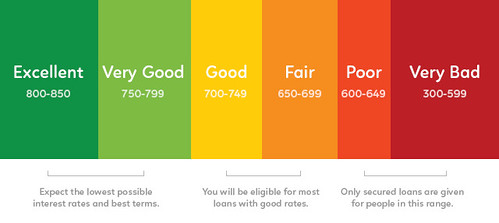
Free credit score check options provide a zero-cost way to track your financial health using soft credit inquiries. Services like Credit Karma, Credit Sesame, and official bank portals show updated scores and account summaries, making them ideal for routine check-ins even though they generally rely on VantageScore rather than FICO.
If you just want to track overall trends, free apps do the job well. Credit Karma pulls data from TransUnion and Equifax, offering frequent updates and helpful summaries of your open balances. Experian offers a free account that gives you access to your official Experian FICO Score 8, updated monthly. Many major credit card issuers—like Capital One (CreditWise), Discover, and Chase—also bundle score tracking right into their mobile banking apps.
The main caveat with free services is the scoring model. Most free apps display a VantageScore. While VantageScore uses the same 300-to-850 range as FICO, lenders heavily favor FICO scores for actual loan underwriting. As a result, the number you see on a free tracking app might swing higher or lower than what a car dealer or mortgage lender pulls.
Paid Credit Monitoring Services: Enhanced Accuracy and Protection
Paid credit monitoring services offer complete three-bureau credit access, real-time fraud alerts, and substantial identity theft insurance. Tools like myFICO Premium and Experian IdentityWorks cater to consumers preparing for major loans like mortgages or auto financing where seeing accurate FICO scores across Equifax, Experian, and TransUnion is critical.
When you're gearing up to buy a house or finance a vehicle, paying for detailed reports makes practical sense. General credit apps rarely show you industry-specific scores, like the FICO Auto Score or the older FICO versions used in mortgage lending (FICO 2, 4, and 5). Paid platforms bridge that gap by showing you every variation across all three bureaus.
In addition to specialized scores, premium plans offer proactive monitoring. You'll get instant push notifications if a new inquiry hits your file, an account balance jumps sharply, or your personal information turns up on monitored dark web forums. Most paid tiers also package $1 million in identity theft insurance and access to dedicated fraud resolution specialists who help clear up compromised accounts.
Specialized Credit Score Checks: Targeted Tools for Specific Goals
Specialized credit score checks focus on specific goals, such as adding non-traditional payment history or reviewing industry-specific scores. Tools like Experian Boost let consumers log utility and streaming bills to build thin credit files, while auto lenders and mortgage brokers rely on customized FICO variations built for those industries.
If you have a short credit history, standard scoring models might label you "credit invisible." Services like Experian Boost attempt to solve this by connecting to your online bank account and giving you credit for on-time payments on telecom, utility, and select streaming services. Users with few open accounts often see an immediate bump in their Experian FICO score.
On the flip side, specialized credit tools also help borrowers targeting specific goals. Mortgage applicants, for example, need to see their tri-bureau FICO scores simultaneously, because mortgage guidelines typically take the middle score of the three. Using a platform that specifically displays mortgage-ready scores keeps you from getting surprised at pre-approval.
Comparing Top Credit Score Checking Services
Comparing credit score checking tools requires evaluating whether you need basic monitoring or full lender-grade reports. Free platforms suit everyday tracking, while paid tiers unlock tri-bureau updates and identity protection. The right selection balances feature needs, update frequency, and overall budget without paying for unnecessary extras.
| Tool | Best For | Pricing | Key Features |
|---|---|---|---|
| Credit Karma | Casual free monitoring | Free | TransUnion & Equifax VantageScore 3.0 updates |
| Experian Free | Official FICO tracking | Free | Monthly Experian FICO Score 8 access |
| myFICO | Loan applications & mortgages | Free plan / Paid from $29.95/mo | Official FICO scores across all three bureaus & industry scores |
| Credit Sesame | Score simulation & advice | Free tier / Premium available | TransUnion score tracking & debt management tips |
| Experian Boost | Building thin credit files | Free | Adds utility, rent, and phone payments to Experian file |
🛍 Ready to buy? Check current prices on Amazon for the picks in this guide.
Pricing and plan details change over time, so review the platform's current terms directly on their site before signing up for paid tiers.
Ranked Overview of Popular Monitoring Platforms
- myFICO: Top choice for mortgage buyers and serious borrowers who need access to real FICO scores across all three credit bureaus.
- Experian: Solid option for general use, providing a genuine monthly FICO score for free with upgrade options for identity theft alerts.
- Credit Karma: The easiest tool for routine check-ins, delivering free score updates and clear account summaries from TransUnion and Equifax.
- Credit Sesame: Useful for interactive credit-building tools and score simulators that project how paying off debt impacts your numbers.
- Experian Boost: Best feature for young adults or immigrants looking to leverage recurring bills into a stronger credit profile quickly.
Credit Reports vs. Credit Scores: What You Need to Know
A credit report records your complete financial account history, while a credit score is the three-digit number calculated from that data. Reviewing detailed reports helps you catch administrative mistakes or fraudulent accounts, while tracking scores shows overall progress in your creditworthiness over time.
Think of your credit report as your detailed report card and your credit score as your overall grade point average. The report lists your open credit lines, payment timeliness, public records, collection actions, and recent hard inquiries. If an old debt is listed twice or a late payment is mistakenly recorded, your credit score drops as a direct result.
Federal law grants you access to free credit reports directly from the major bureaus through AnnualCreditReport.com. Checking these full reports periodically allows you to file formal disputes and scrub inaccurate data, which naturally lifts your credit score without costing a dime.
Emerging Trends in Credit Monitoring
Credit monitoring is shifting toward broader data integration, incorporating alternative payment streams like rent, telecom, and buy-now-pay-later arrangements. Financial institutions are also leveraging open banking protocols, allowing consumers to share permissioned banking data directly with lenders to demonstrate creditworthiness without relying solely on traditional credit bureau data.
In the past, missing out on traditional credit cards meant you couldn't establish a credit history. Modern scoring models like UltraFICO and VantageScore 4.0 are changing that dynamic by analyzing cash-flow habits—such as maintaining a positive checking account balance and avoiding overdrafts. This shift creates fairer access for young borrowers and underbanked households.
Open banking integrations also let consumers connect financial apps via secure APIs rather than manually sending pay stubs or bank statements. This means faster approvals and more realistic, real-time credit assessments when you apply for loans.
How to Choose the Right Credit Check Tool
Choosing the right credit check service comes down to your immediate financial goals and budget. If you are applying for a mortgage soon, paying for official FICO scores makes sense; if you simply want to spot suspicious activity, free weekly monitoring tools offer plenty of protection.
- Stick to free tools like Credit Karma or Experian Free if you just want casual, ongoing monitoring.
- Invest in myFICO if you're shopping for a mortgage or auto loan in the next six months.
- Use Experian Boost if you have limited credit lines and want credit for bills you already pay.
- Pull your full credit reports annually from AnnualCreditReport.com to audit account details thoroughly.
- Avoid paying monthly subscription fees unless you actively need identity theft insurance or daily tri-bureau updates.
Frequently Asked Questions
What is the difference between a credit score and a credit report?
A credit report details your historical borrowing, repayment history, and public records. A credit score is a three-digit summary calculated from that report data. Lenders use the score for quick evaluations and the report for detailed underwriting decisions.
Does checking my own credit score lower my credit score?
No, checking your own credit score is considered a soft inquiry and never impacts your score. Hard inquiries only occur when a lender reviews your credit report to evaluate a formal loan or credit card application you submitted.
Why is my Credit Karma score different from my FICO score?
Credit Karma calculates scores using the VantageScore 3.0 model, while most lenders use various versions of the FICO score model. Because these scoring models weigh factors like credit utilization and payment history differently, your scores will usually vary.
How often should I check my credit score and credit reports?
Checking your credit score monthly helps you catch unexpected drops or errors early. You should review your detailed three-bureau credit reports at least once a year through AnnualCreditReport.com, or more frequently if you suspect identity theft.
Can I fix errors on my credit report for free?
Yes, you can dispute inaccurate information directly with Equifax, Experian, or TransUnion at no cost. Each bureau provides online dispute portals where you can upload supporting documentation, and they generally must investigate within 30 days.
🛍 See today's best prices on Amazon and grab the option that fits you.